The Look of Love

Update on osprey love story and nesting development.

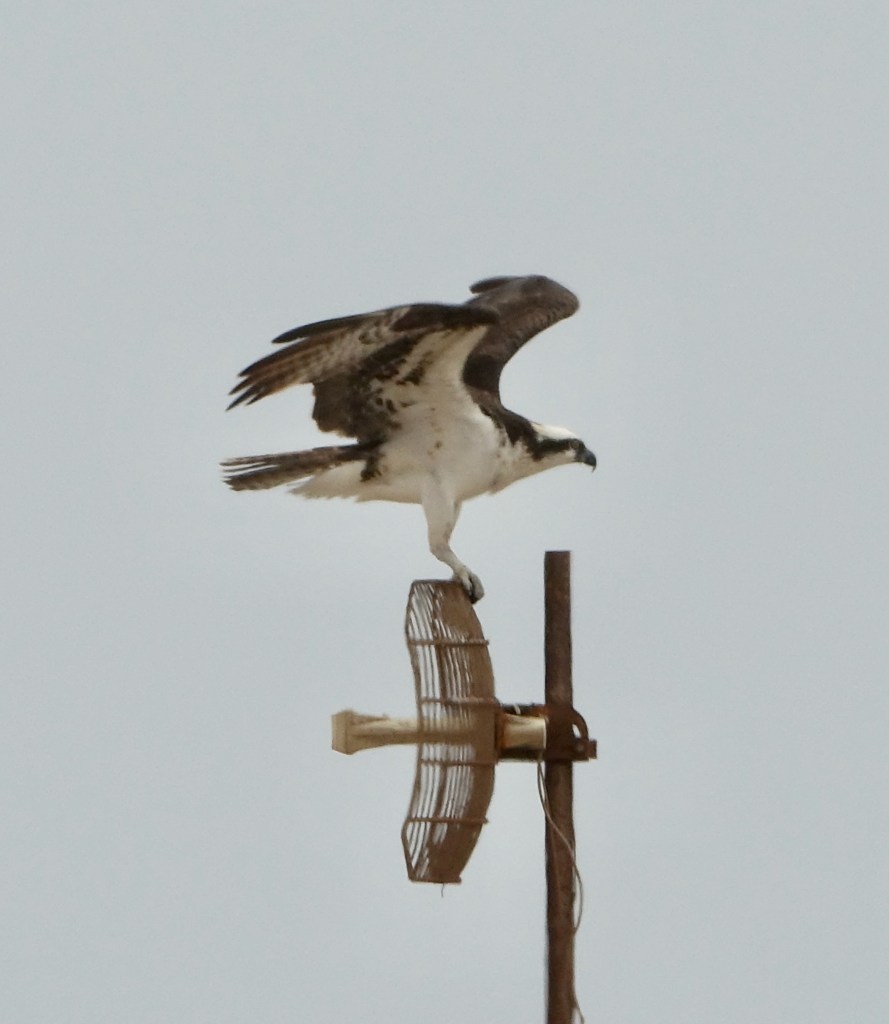
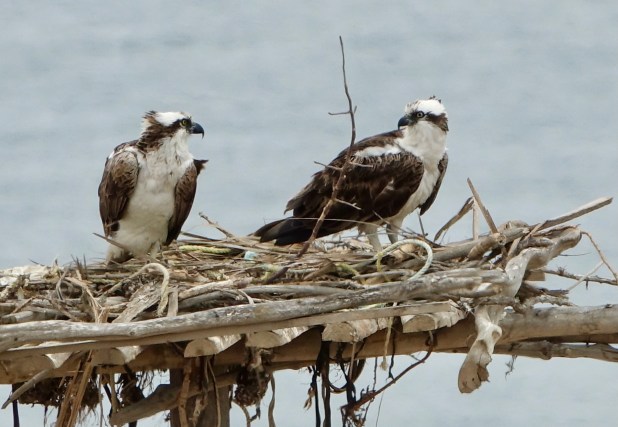
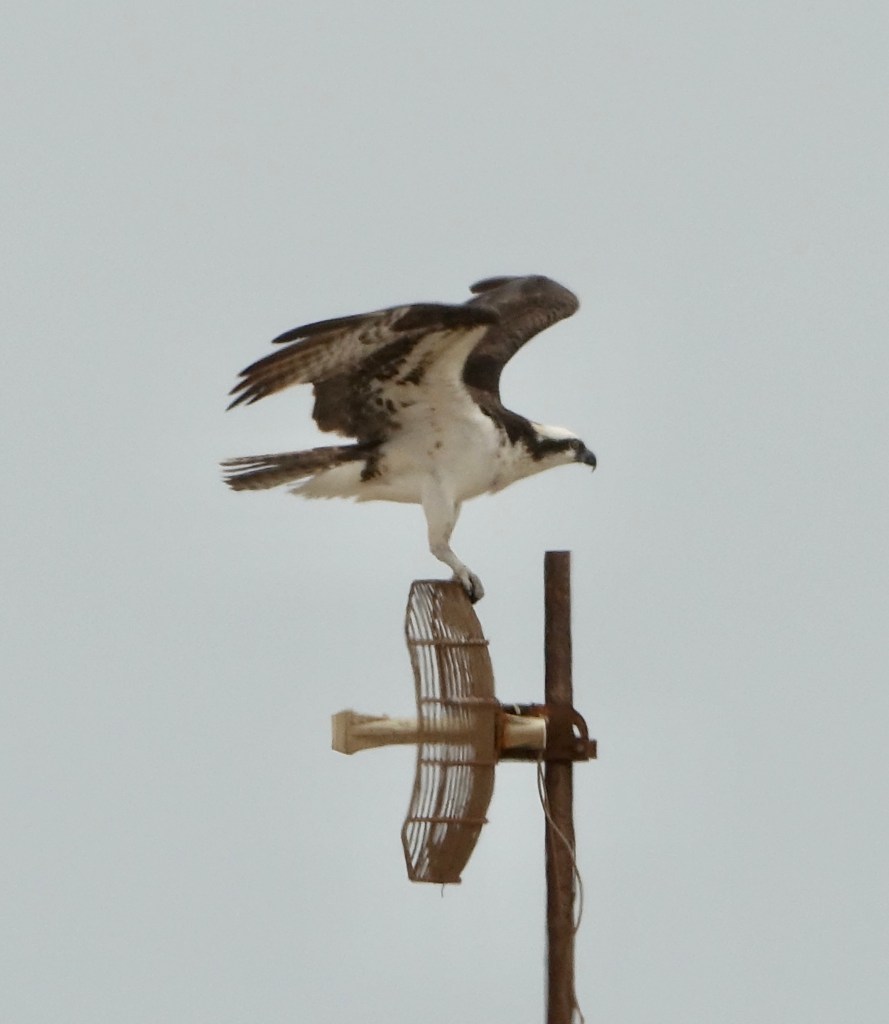
First, they need a new architect. This nest, well, the truth is, they’ve never finished the nest. My guess, and I’m only an observational scientist, is that they are likely two-year old birds, at least the male. He has definitely chosen a nesting site, made an honest attempt to attract a mate, found a willing female, and then wasn’t quite sure what to do next. The photo above is either a look of love, or a look of “I don’t know, do you?”

Second, it’s VERY late in the season for mating. While other nests have hungry chicks demanding constant nutrition, ‘our’ birds (my neighbors deeply involved in what has been a challenging love triangle), come and go, more like dating than mating. Although they do coo (if you can call an osprey call a coo), neck a bit, as in rubbing beaks, and spend some afternoons simply hanging out together.

Male #1, who Ii will give a name, has certainly secured his nesting site. He is present in the mornings, brings his fish breakfast or lunch back to sup on site, and occasionallly adds a stick or piece of seawood to his abode. Afternoons, he’ll call until the female shows up and then they just sit for a while, watching, always alert to the surrounding sounds and activites.

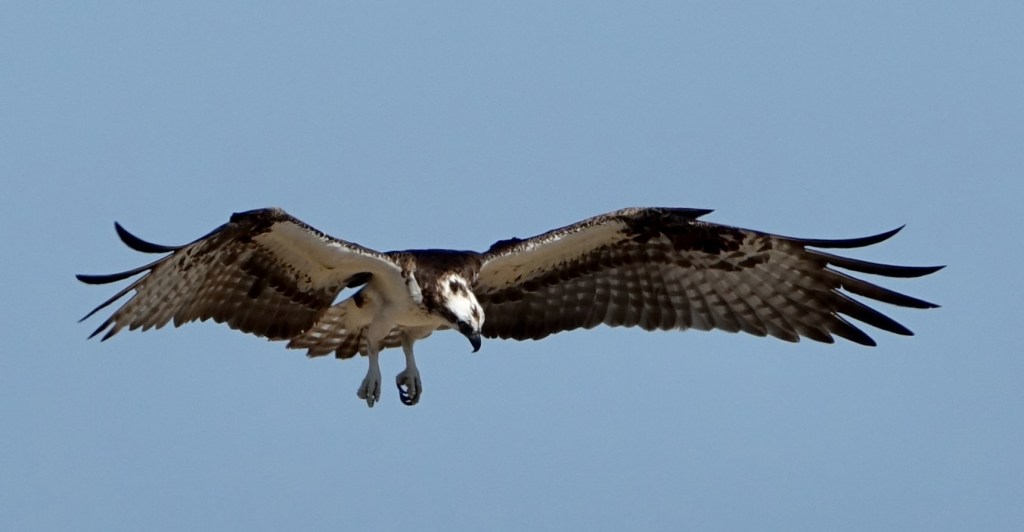
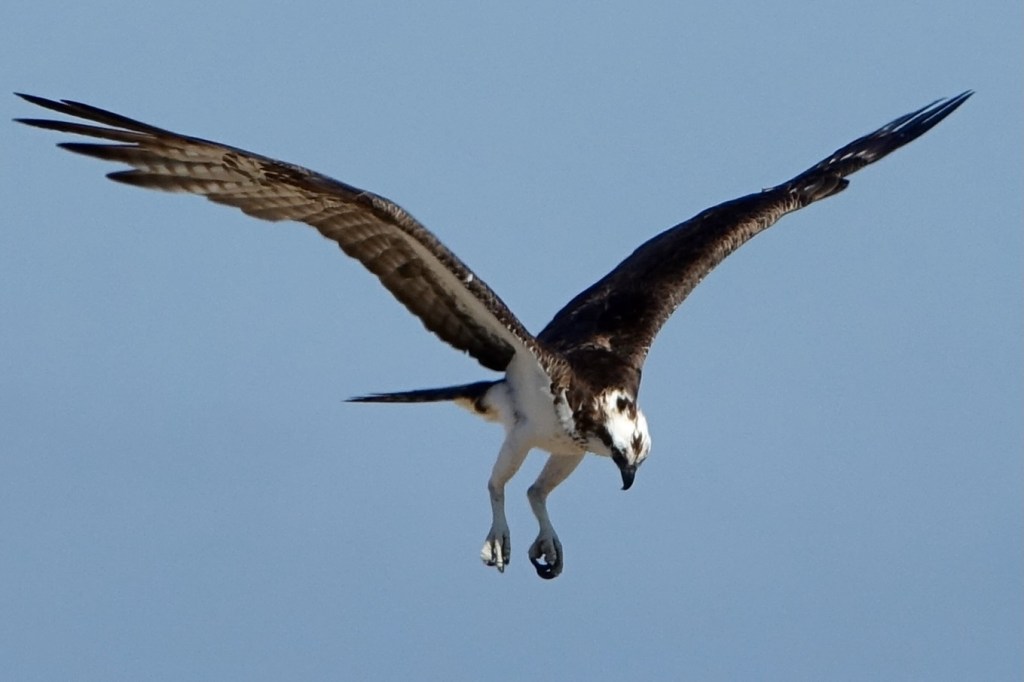
Male #2 continues his attemps to usurp the nest. When the pair is together, he will fly in, swoop down on them, ‘glare’ from the neighbors attention perch above, and do his best to disrupt the romance in progress.
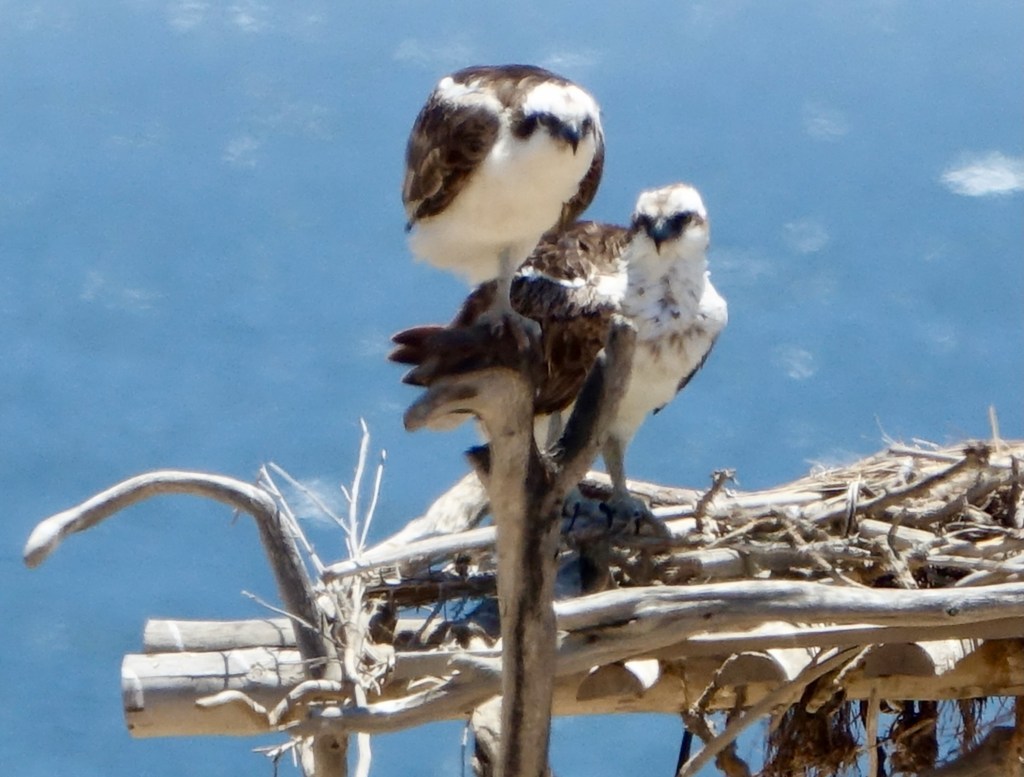
As I type, Male #1 has returned with a fish and is hard at work consuming his lunch. The drama of the love saga and the joy of watching certainly interferes with my other ‘work’, as I can’t seem to stop watching. I love getting to know them, identifying their unique characteristics, and learning their behaviors, all by observation. It’s the best kind of science I can imagine and hugely rewarding.

Osprey Nesting Journey

For two years, the osprey platform remained empty. A gift from my contractor, a wooden platform with a couple of randomly placed sticks perched above a tall phone-pole like wooden stand to attract the sea-hawk raptor. My belief was that the structure had been placed too close to the water, the hunting grounds for all the other waterfowl, too close for any bird in its right mind to choose as a nesting site. At the start of year three, I had it moved farther back on the property, and still, no takers. Plenty of nests in town, huge looming collections of sticks, ropes and gathered seaweed, but my platform remained bereft of bird.

And then, he appeared. A long male who one day arrived with a stick. One stick, and deposited atop the wooden structure. You could probably hear my ‘whoopee’ on the other side of the pueblo. Day after day, for hours, he sat and waited, chirping in hopes of attracting a female. Slowly, he added a few more sticks. Some dried seaweed bulbs. Some green grasses. He’d return to the nest after hunting, large fish in his talons and settle in for his meal. Each time he spied another osprey, his calls rang out across the terrain.

And then, she arrived. A slightly larger-then-he female who perched on the side of the nest-to-be and seemed to be waiting for him to make his move. He flapped his wings. He vocalized. He had her in his sights when another male showed up, and took a position on the neighbor’s weather antennae above the potential nest. Male #1. as I had grown to call him, seemed beside himself, confused as to what was more important. Chase off male #2 or get to creating a marriage with Female #1.

Eventually she grew tired of waiting and flew away. Male #1 was back to solitary. Less time on the nest, but still, but he did add a few more sticks. A bit more seaweed. Lunch and dinner of his catch. Always vocalizing his shrill call whenever another osprey entered the neighborhood.

And now, two weeks after her initial visit, Female #1 has returned. She’s decided to spend more time on the platform. I have yet to see her bring her own nesting materials to what might be her home, but I remain hopeful.

I’ve spent much of early spring fixated on nesting cameras of bald and white eagles across the USA landscape. From Big Bear Mountain in southern California to U.S. Steel in Pennsylvania, a cam in Traverse City, Michigan and elsewhere, the laying of eggs, the hatchlings, the loss of chicklets, an almost consuming watch of eagles has only whetted my appetite for an experience up close and personal on the platform at the edge of property.

Bring on the baby osprey!

The Rise of Wave Pools: Surfing’s New Frontier

A day with no swell ….

Sometimes there are waves, and sometimes, not so much. Nothing quite as entertaining than a group of surfers after days of a no-show swell, sitting around grousing, as if the ocean gods were punishing them.

Of course, we’d all love a consistent flow of rideable fun surf, but then, would we truly appreciate the wonder when the waves show up? When we can say to ourselves and our friends, “That sure was a fun session!” or “What an epic wave!”

To solve the problem (ha) of fickle surf, wave pools are springing up across the country and the globe. This past week, a long board competition was held in Abu Dhabi on perfectly formed mechanical waves. I watched in wonder as wave after wave challenged the contestants, not to pick and choose a wave, but to demonstrate their skill sets, back to back on exactly the same surface and faces. You can watch a replay of this contest here: https://www.worldsurfleague.com/events/2024/lt/313/abu-dhabi-longboard-classic/main

I was trying to wrap my head around a wave pool in Saudi Arabia, https://www.surfer.com/news/wave-pools/20-years-making-kelly-slater-abu-dhabi-wave-pool, created by Kelly Slater, whose first pool, “The Surf Ranch,” set the bar and started a trend toward mechanically produced perfect waves. The technology to create the waves can alter the shape and size for different types of acrobatic performances, from a pro-level “WSL Competition,”to a famiily beginner called “Waikiki.”

Kelly Slater Surf Ranch

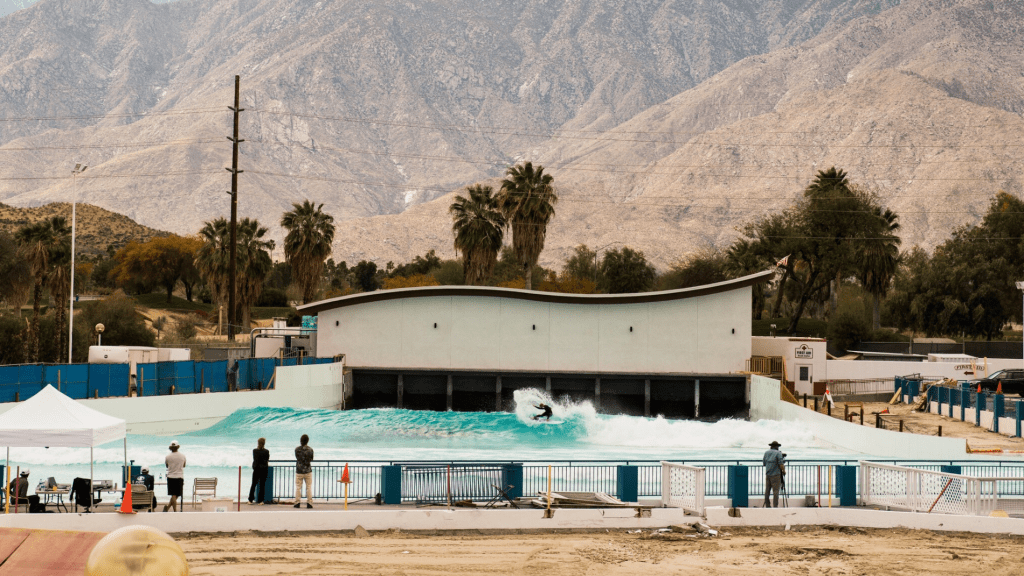
There are wave pools in Palm Springs, CA. https://palmspringssurfclub.com/, South Korea, Australia, England, Switzerland, Japan, Brazil and there is even a wave pool in Ewa Beach, Hawaii. https://www.waikai.com/wai-kai-wave-oahu, which seems almost counterintuitive. I mean, isn’t Hawaii the homeland of surf?

Palm Springs Surf Club

Aside from yet another man-made attempt to upstage nature, these mechanically formed waves are changing both the nature of surfing as well as the location. As of this moment, research indicate that there are 346 mechanically generated wave pools either open, under construction or in the planning stages across the globe.

While Slater opened the door with Surf Ranch, the creative minds hungry for wave experiences outside the ocean continue to push the mechanical door. While Surf Ranch and Abu Dhabi use a one-of-a-kind soliton generating hydrofoil to displace standing water, other technologies include turbine driven pushed water which creates ‘standing’ waves, akin to what. one might find in a river, a plunge technique, currently found at Surf Lake in Australia, and an air piston system, like the one found in Palm Springs.

The sticker shock for the bulk of these waves will limit most action to professional surfers intent on honing their skills. Hourly rates begin around $50USD for group sessions of beginners, and rise from there. Surf Ranch can be rented for the day for $70,000, or a daily per person rate (at 10 surfers) for $5K to $7K, a sure indication of the exclusivity for the best wave creation and the most individual opportunities. Wave costs at Wai Kai range from $175 per session for the 100-foot wave, $140 per session for th 65-foot wave, and $90 per session for the 30-foot wave. Multipack discounts are available.

Wai Kai Wave

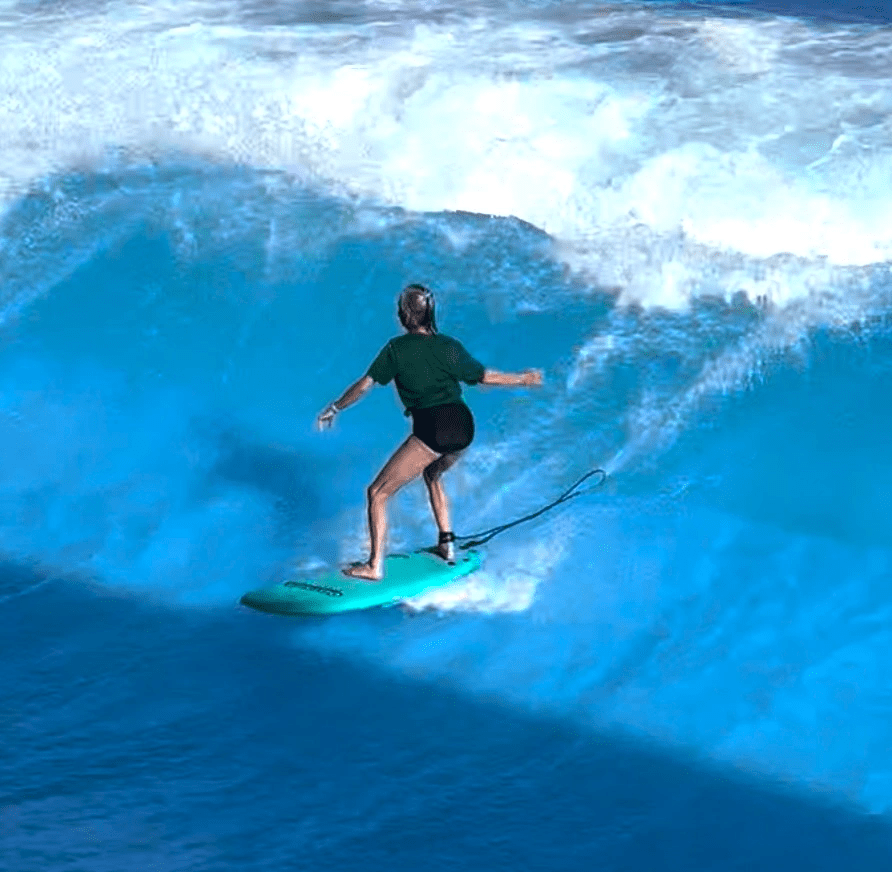
I was lucky enough to enjoy a session at Wai Kai, and found the standing wave to be challenging and fun. Several crashes and a couple of successful rides, and i gave the pool over to the kids. I still prefer paddling out into the deep blue sea, but for some family fun on discounted days, and training grounds for tomorrows (and today’s) pros, the possibilities seem endless.

Lucky Catharine Cooper on Wai Kai wave in Ewa Beach, HI.

The Aftermath of Kay

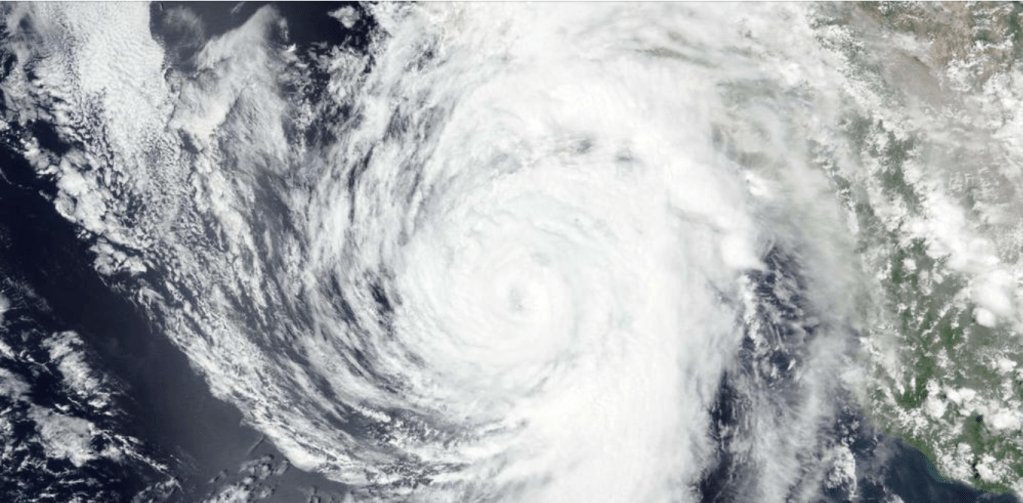
Hurricane Kay’s arms extended 600 miles

Water water everywhere. That’s Kay’s swan song, with arroyos washing out roads along the entire peninsula. She wasn’t even a strong hurricane – a category 2 in her heaviest moment – but she was grand – huge arms nearly 600 miles across. Her winds ran as high as 72mph in various locations, but her water. The rain. The desperately needed rain came all at once, the ground crusty dry. No way to absorb, but rush and run down the mountain faces and arroyos.

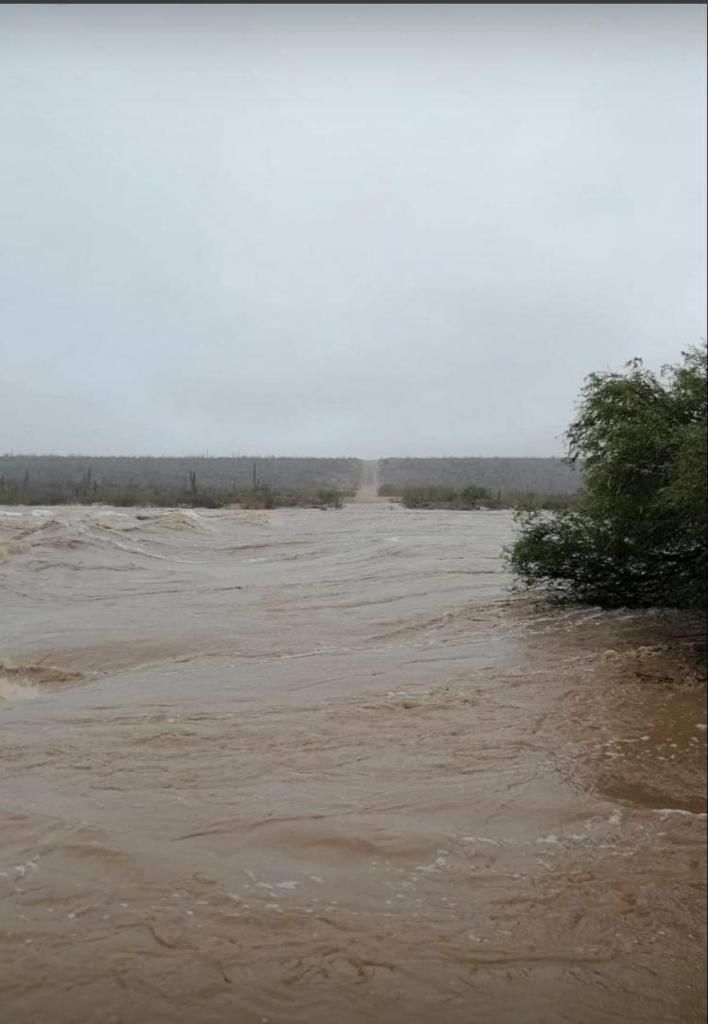
Multiple towns took hard hits. The Mulege river once again breached its banks, flooding everyone and thing in proximity. San Felipe, usually a dry sandy desert, found itself with streets of rivers, more suited to kayaks or canoes.

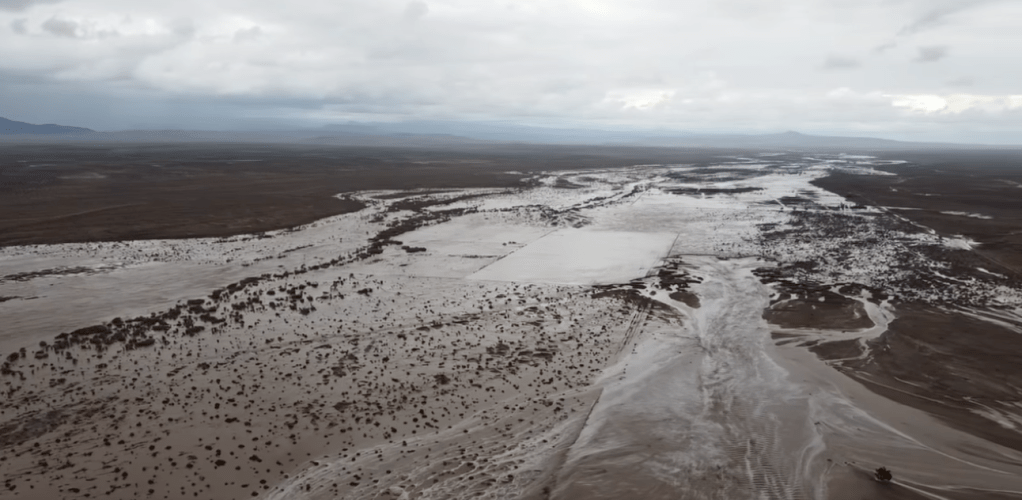
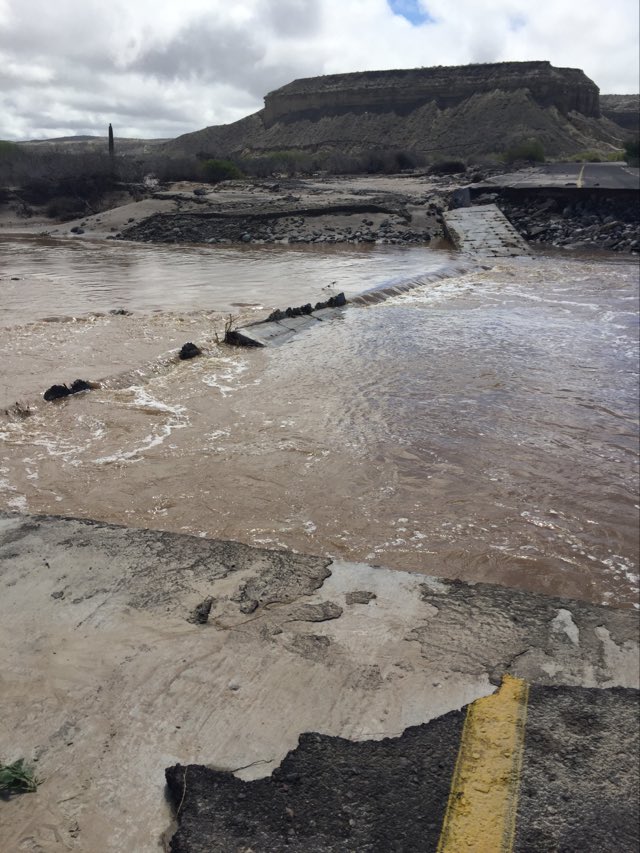
The major effect of Kay was on MEX 1 the transpeninsular highway that transits between Tijuana and Cabo San Lucas. The road cut in so many places that traffic and commerce were actually halted for three days. Today, the 13th of September, most roads have some measure of passage, and the large double tractor trailers could be seen heading south. Below, some photographs, borrowed from various posts and publications, communicate what my words lack.

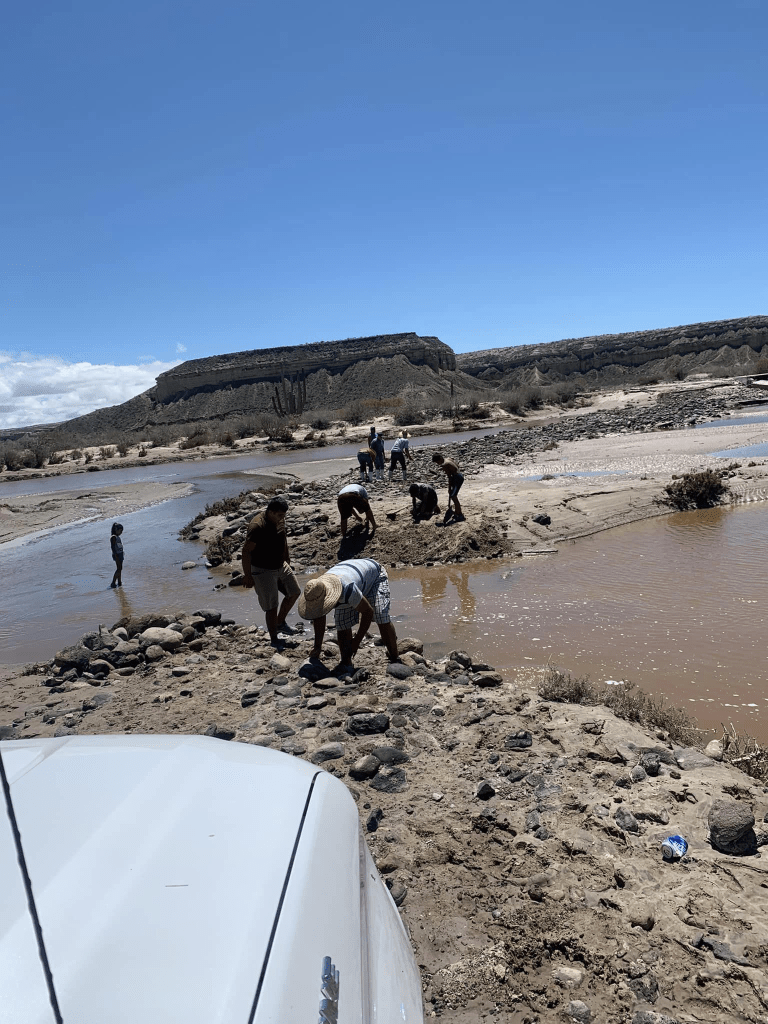
Close to home, or the home I cannot yet reach, the highway between Insurgentes and San Juanico washed out first in Insurgentes, and then the bridge was obliterated over the wash a few miles outside of town.

The townspeople came together, and with shovels and arms full of rock and mud, began the process of crafting a crossing. It’s this spirit of ‘can-do’ which continues to fuel my love for Baja.

Hurricane Blanca Makes Landfall

Hurricane Blanca’s winds hit Loreto around 3am, easily waking me. Storm anticipation is a sure sleep-wrecker. The electricity went off / then on again. I pulled open the slider and shuddered at the power of the wind and the dark dark night. No stars nor moon could pierce the heavy cloud cover.

I walked out onto the beach – no rain yet, just strong winds and pelting sand. The seas were frothy in the muted light, a virtual blackened plane punctuated with surging waves and white caps. The sound of the wind, it’s force and the darkness, were unsettling. Already, the scent of mud-washed arroyos permeated the air.

At 4am, satellite imagery showed the now diminished hurricane bearing down on Puerto Cortez, the western tip of the peninsula before spreading into Bahia de Ulloa and Bahia San Juancio. The storm made landfall as a tropical storm around 8am Baja Sur time, with increasing winds and falling rain.

Blasting winds, steady at 25-34 mph with gusts clocked at 46 mph, bent trees and shrubs as morning spread her light, have kept birds fluttering for cover, and pelicans struggling to remain afloat in the storm driven seas.

Blanca still churns her energy slight south of Loreto – the lean of the palm  revealing the location of the heart of the storm. Most recent imagery indicates that the bulk of the rain has been deposited, and what remains is a wildly windier afternoon.

This display of nature’s force fuels a celebration in me – as witness the power of wind and sea and storm – while remaining grateful, that from a Category 4 hurricane just 3 days ago, Blanca’s presence here in Loreto has been that of a Tropical Storm.

Mining in Baja California: Is it Worth the Risk?

Two presentations by

Mark Spalding, President, The Ocean Foundation

Mining Concessions in Baja California

Mining Concessions in Baja California

Please join Mark Spalding on Friday, April 10, at 3pm at the indoor restaurant at the Inn at Loreto Bay, or on Saturday, April 11, at 5pm at the Community Center for the Environment (CenCoMA) at Eco-Alianza headquarters for an informative presentation and discussion regarding his ongoing research on the various mining projects throughout Baja California Sur, including Loreto.

Is mining actually good for the economy for more than the short term? Or does it do more harm to long-term sustainability of natural resources (land, water and sea) and the plants, animals and people who depend on them? What does it mean for the tourism sector?
Three major projects are currently in various stages of development:

  1. Loreto/San Basilio: Azure Minerals Limited is an Australian mineral exploration company focused on developing mining projects in the richly mineralized Sierra Madre Occidental mining province in northern Mexico. In 2013, Azure successfully bid for the Loreto Copper Project, which covers 9,571 hectares on the east of the Baja California peninsula, 6 kilometers north of the town of Loreto.
    Todos Santos: Los Cardones is proposed open pit metallic mining project. The EIA for the project predicts that Los Cardones will occupy 543 hectares and will include two massive open pits from which 173 million tons of material will be extracted. 135 million tons of extracted material will be placed in material banks of waste rock and 38 million tons of the contaminated processes material will fill a massive tailings pond. The project will require the construction of a desalination plan on the Pacific coast near as Playitas that will extract 7500 cubic meters of water per day.
  2. Ulloa Bay (between San Carlos and Abreojos): Exploraciones Oceánicas a Mexican subsidiary of Odyssey Marine Exploration (OMEX)is in the permit process for underwater mining for phosphates in Baja’s Pacific coast. Known as the “Don Diego project” Ocenanica has received it’s concession for the Gulf of Ulloa but does not yet have its permits. The Environmental Impact Assessment (EIA) for proposed dredging and recovery of phosphate sands from the “Don Diego” deposit has been filed with the Mexican Secretary of Environment and Natural Resources (SEMARNAT) as of Sept. 4th, 2014.

Mark is President of The Ocean Foundation in Washington, D.C., and a Senior Fellow at the Middlebury Institute of International Studies, Center for the Blue Economy. He is an environmental expert and attorney, tirelessly advocating on behalf of the world’s coasts and ocean. Mark has engaged in numerous environmental challenges in BCS, including last year’s successful challenge to the Cabo Pulmo development, and the successful prevention of a second industrial saltworks at Laguna San Ignacio. Mark also has a particular affinity for Loreto, serving as a member of Eco-Alianza’s advisory board since its founding, and having helped to establish and steer the Loreto Bay Foundation.

There are two separate opportunities to learn more about mining and associated risks in Baja California Sur with Mark Spalding, President of The Ocean Foundation. Come and increase your knowledge about environmental concerns and add your voice to the conversation.

Friday, April 10, 3pm

The Inn at Loreto Bay
Indoor Restaurant
Loreto Bay
Saturday, April 11, 5pm

The Community Center for the Environment
Eco-Alianza Headquarters (CenCoMA)
#3 Miguel Hidalgo esq. Romanita
Col. Centro

Chef Jimmy Surfs Scorpion Bay

Not only can my good friend Jimmy surf, but he’s one hell of a cook – excuse me – make that chef. Notice the title with his name. For more information on his skill set, and his killer MOJO product line, click here : http://www.chefjimmy.com/

Casa Baja Luna for Rent

Casa Baja Luna

Good friends Cynthia & Cal have reason to be stateside for the summer, and are offering their wonderful San Juanico home for rent.  It’s a fabulous 2 bedroom main house with rooftop view deck and bar – perfect for entertaining.  There is a separate casita with private bath and lovely gardens.  Lucky the person who gets to spend time there.  For more details :  http://www.scorpionbayrentals.com/Site/Rentals/Pages/Casa_Baja_Luna.html#grid